Trademark Registration
Trademark Registration
Are you looking for Trademark Registration in India? Then, you are at the right place. We offer Trademark Registration at an affordable cost & quick turnaround. Get in touch for a free Trademark Search & Class Selection!
- ➤ Consultation for trademark eligibility and requirements
- ➤ Thorough trademark search for conflicts
- ➤ Preparation and filing of trademark application
- ➤ Monitoring and addressing objections
- ➤ Status updates on application progress
- ➤ Assistance with oppositions or challenges
- ➤ Provision of registration certificate and post-registration guidance
An Overview of Trademark Registration Online
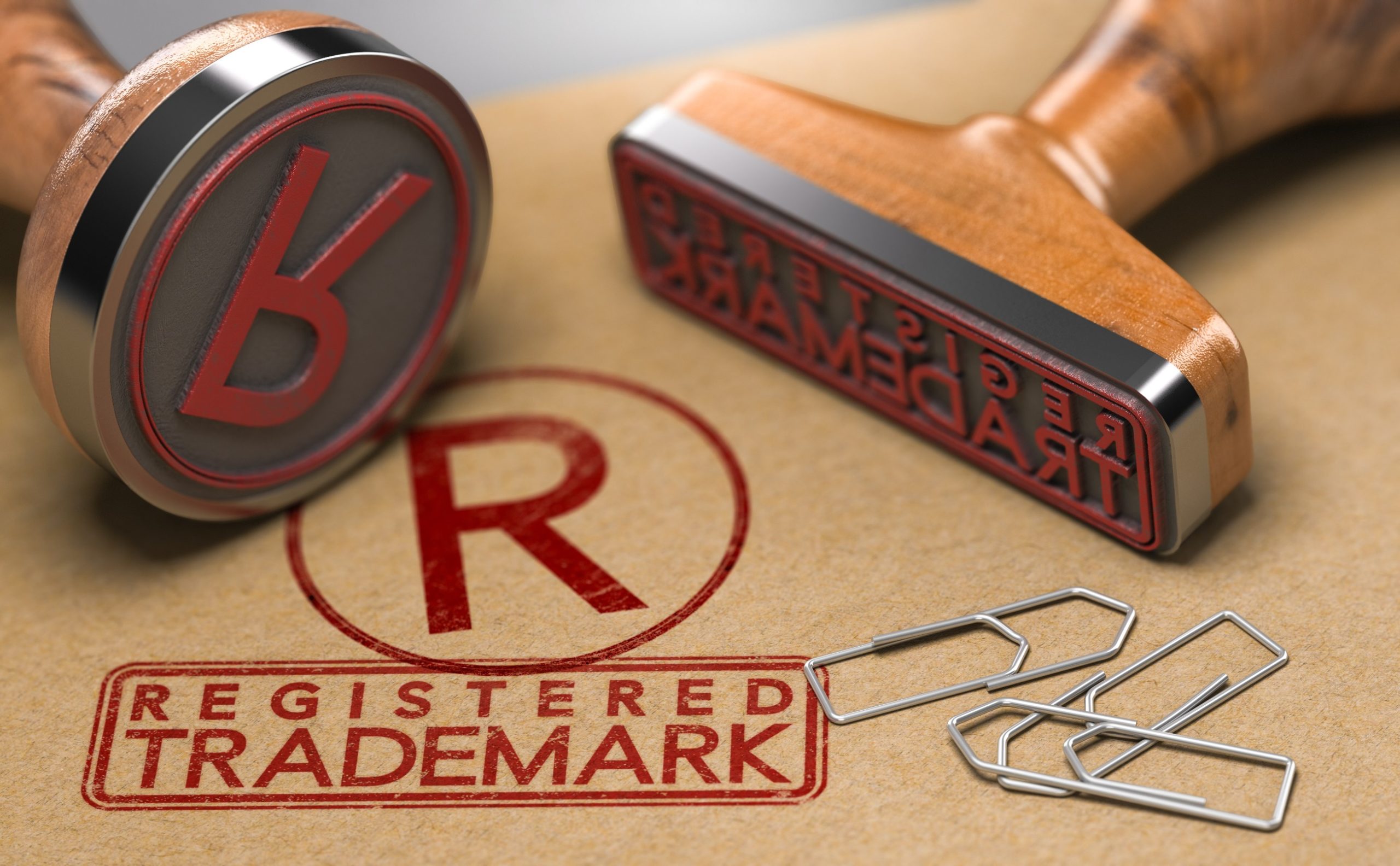
A Trademark refers to a recognizable phrase, word, symbol, name, design, image, or combination of these that denotes a particular product & legally differentiates it from all other products. In simple terms, a Trademark identifies a product as belonging to a particular company & recognizes the Company’s ownership of the brand. Trademarks are usually considered a type of IP (Intellectual Property) & may/may not be registered. Trademarks & its rights are safeguarded by the Trademark Act, 1999. To get the protection of Trademark Rights one has to register the Trademark. It’s vital to get Trademark Registration Online done because it prevents others from copying your Trademark & misrepresenting other products with your mark.
List of Different Trademark Classes in India
In India, trademarks are categorized into 45 classes based on the Nice Classification system. Each class represents a distinct category of goods and services. Following is the list of different Trademark Classes in India.
Goods Classes (1-34):
- Class 1: Chemicals used in industry, science, and photography, as well as in agriculture, horticulture, and forestry.
- Class 2: Paints, varnishes, lacquers, and preservatives for wood and metal.
- Class 3: Cosmetics and cleaning preparations, including soaps and perfumes.
- Class 4: Industrial oils and greases; lubricants; fuels; candles and wicks.
- Class 5: Pharmaceuticals and other preparations for medical or veterinary purposes.
- Class 6: Common metals and their alloys; metal building materials; transportable buildings of metal; materials of metal for railway tracks.
- Class 7: Machines and machine tools; motors and engines (except for land vehicles); machine coupling and transmission components (except for land vehicles).
- Class 8: Hand tools and implements (hand-operated); cutlery; side arms; razors.
- Class 9: Scientific, nautical, surveying, electric, photographic, cinematographic, optical, weighing, measuring, signaling, checking (supervision), life-saving, and teaching apparatus and instruments.
- Class 10: Surgical, medical, dental, and veterinary apparatus and instruments; artificial limbs, eyes, and teeth; orthopedic articles.
- Class 11: Apparatus for lighting, heating, steam generating, cooking, refrigerating, drying, ventilating, water supply, and sanitary purposes.
- Class 12: Vehicles; apparatus for locomotion by land, air, or water.
- Class 13: Firearms; ammunition and projectiles; explosives; fireworks.
- Class 14: Precious metals and their alloys; jewelry, precious and semi-precious stones; horological and chronometric instruments.
- Class 15: Musical instruments.
- Class 16: Paper, cardboard, and goods made from these materials; printed matter; bookbinding material; photographs; stationery; adhesives for stationery or household purposes; artists’ materials; paintbrushes; typewriters and office requisites.
- Class 17: Rubber, gutta-percha, gum, asbestos, mica, and goods made from these materials; plastics in extruded form for use in manufacture; packing, stopping, and insulating materials; flexible pipes, tubes, and hoses, not of metal.
- Class 18: Leather and imitations of leather; animal skins, hides; trunks and traveling bags; umbrellas, parasols, and walking sticks; whips, harness, and saddlery.
- Class 19: Building materials (non-metallic); non-metallic rigid pipes for building; asphalt, pitch, and bitumen; non-metallic transportable buildings; monuments, not of metal.
- Class 20: Furniture, mirrors, picture frames; goods (not included in other classes) of wood, cork, reed, cane, wicker, horn, bone, ivory, whalebone, shell, amber, mother-of-pearl, meerschaum, and substitutes for all these materials, or of plastics.
- Class 21: Household or kitchen utensils and containers; combs and sponges; brushes (except paintbrushes); brush-making materials; articles for cleaning purposes; unworked or semi-worked glass (except glass used in building); glassware, porcelain, and earthenware not included in other classes.
- Class 22: Ropes, string, nets, tents, awnings, tarpaulins, sails, sacks, and bags (not included in other classes); padding and stuffing materials (except of rubber or plastics); raw fibrous textile materials.
- Class 23: Yarns and threads for textile use.
- Class 24: Textiles and textile goods, not included in other classes; bed and table covers.
- Class 25: Clothing, footwear, headgear.
Services Classes (35-45):
- Class 35: Advertising and business management; business administration; office functions.
- Class 36: Insurance; financial affairs; monetary affairs; real estate affairs.
- Class 37: Building construction; repair; installation services.
- Class 38: Telecommunications.
- Class 39: Transport; packaging and storage of goods; travel arrangement.
- Class 40: Treatment of materials.
- Class 41: Education; providing of training; entertainment; sporting and cultural activities.
- Class 42: Scientific and technological services; industrial analysis and research services; design and development of computer hardware and software.
- Class 43: Services for providing food and drink; temporary accommodation.
- Class 44: Medical services; veterinary services; hygienic and beauty care for human beings or animals; agriculture, horticulture, and forestry services.
- Class 45: Legal services; security services for the protection of property and individuals; personal and social services rendered by others to meet the needs of individuals.
What is the Role of Trademark Registry?
Trademark Registry was first established in 1940 and then came the Trademark Act, 1999 which was passed in the year 1999. At present, the Trademark Registry works as the functional body of the Trademark Act, 1999. Also, Registry implements all the Rules & Regulations of the Trademark Law in India. The main head office of the Trademark Registry is in Mumbai & it has various other branches in Ahmedabad, Delhi, Kolkata, and Chennai. When registering a Trademark in India, it is registered under the Trademark Act, 1999 and in the process, the Trademark Registry will check carefully whether the registering mark meets all the conditions of the Trademark Act before registering it.
Benefits of Trademark Registration Online in India
- Gives Exclusive Rights: The actual owner of a registered Trademark will be able to have exclusive rights over their Trademark. The same Trademark can be applied by the Trademark Owner for all the products that come under the same classes. With these rights on the products or services permit the Trademark Owner to stop any type of unauthorized use of the registered Trademark.
Who can apply for Trademark Registration Online in India?
- Private Firms
- Individuals
- Companies like Private Limited, OPC, LLP, Public Limited, Partnership & so on
- NGOs
In the case of LLPs and NGOs the Trademark must be applied for Registration in the name of the proposed company or a business.
Documents required for Trademark Registration Online in India
Following are the crucial documents required for Trademark Registration Online in India:
- For Individual: Any one of the following documents are required for individuals:
- Copy of Aadhar Card
- PAN Card
- Driving License (Permanent)
- For Startup: For Startup, one is required to provide the Certificate of Recognition issued by the DPIIT.
- For Sole Proprietorship: GST Registration Certificate is required for Registration.
- For Partnership Firm or LLP: If the Registration of Trademark is done by a Partnership Firm then they must provide the following documents:
- Partnership Deed (if any)
- Udyam Aadhar Registration Certificate (it’s optional)
- GST Certificate
- For MSME: If the Registration is done by MSME then they should provide Udyam Aadhar Registration Certificate issued by MSME.
- For Private Limited Company: If the application for Trademark Registration is filed by a Private Limited Company, then they should provide the following documents along with the application:
- Incorporation Certificate
- Udyam Aadhar Registration Certificate (optional)
- For HUF (Hindu Undivided Family):
- PAN Card of HUF
- Deed of the Constitution of HUF
- For a Trust:
- Trust Deed
- Registration Certificate
- PAN Card in the Trust Name
- For a Society: If a Society is pursuing the Trademark Registration Process then it shall submit the Registration Certificate which is issued by the Registrar of Co-operative Societies.
Following are some common documents required for Trademark Registration Online in India:
- User affidavit
- Graphical Representation of Trademark
- Power of Authorization of an Agent